The Hard Work Deserves Hard Cash
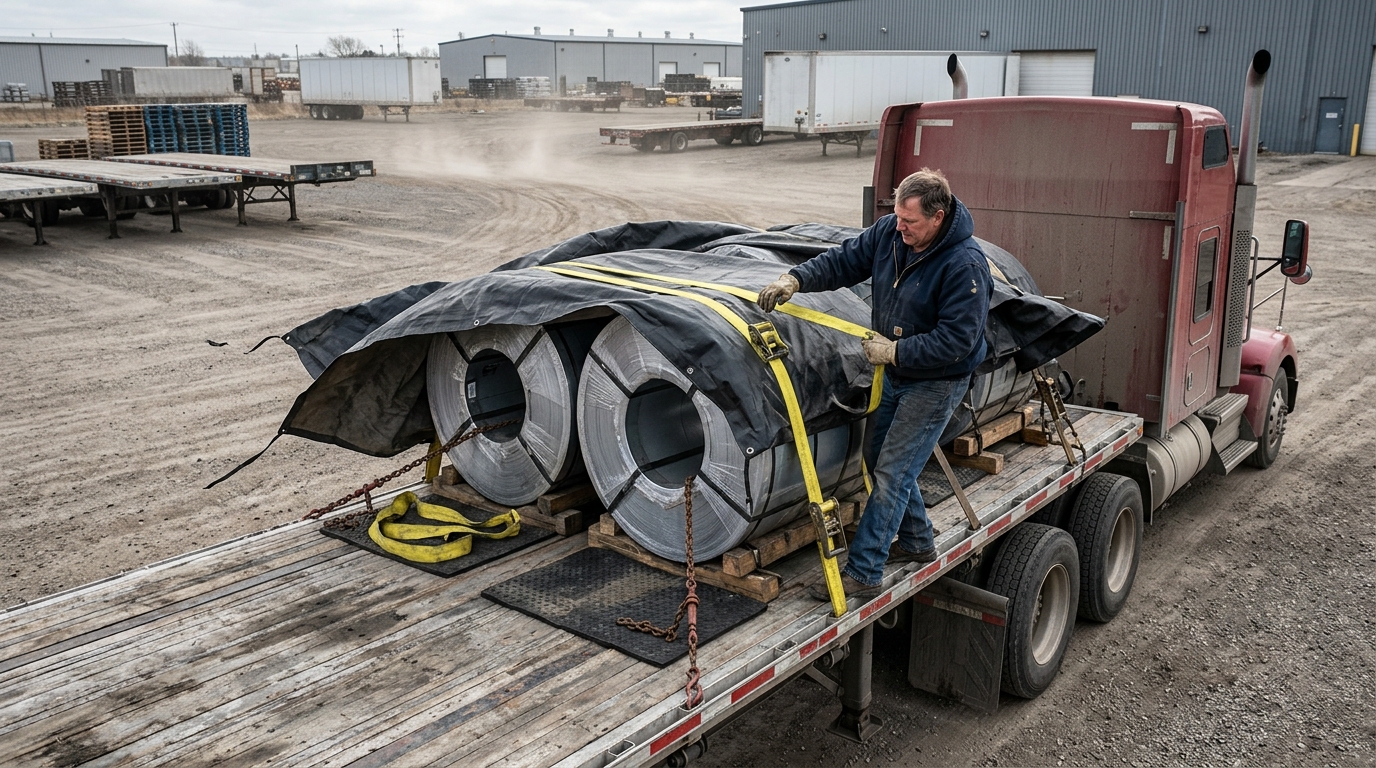
Flatbed trucking is not for the faint of heart. While dry van drivers simply back into a dock and wait, flatbed operators are out in the elements—rain, snow, or blistering heat—securing 45,000 pounds of steel coils, lumber, or heavy machinery. Because of the specialized labor and equipment required, flatbed trucking rates generally trend higher than standard enclosed trailers. However, many flatbed operators leave thousands of dollars on the table every month because they do not know how to properly calculate and negotiate tarp pay.
If you are pulling an open-deck trailer, you are essentially a rigger, a driver, and a logistics specialist combined. You must ensure that every single negotiation you make on a flatbed load board accounts for the sheer physical exertion and time required to prepare the load for transit.
Understanding the True Cost of Tarping
When a broker posts a load requiring tarps, they will often try to bundle the tarp pay into the flat Rate Per Mile (RPM). For example, they might offer $1,500 on a 500-mile run ($3.00/mile) and say, “That includes tarping.” This is a negotiation trap.
Tarping a massive load of drywall or a sensitive piece of machinery can easily take two hours of grueling labor at the shipper, and another hour to untarp, fold, and store the heavy canvas at the receiver. If you accept a flat rate without dissecting the line items, you are effectively working those three hours for free. A professional flatbed dispatch strategy requires you to separate the line haul rate from the accessorial charges.
The Tarp Pay Calculator Metric
How much should you charge for tarping? It depends on the size of the tarps required (4-foot, 6-foot, or 8-foot drops) and the complexity of the load. As a baseline rule in 2026:
- Standard Lumber Tarps (4-6ft drops): Minimum $100 to $150.
- Steel Tarps (minimal drop, heavy weight): Minimum $75 to $100.
- Full 8-foot drop tarps on irregular machinery: Minimum $200+.
If a load takes three hours of total tarping labor, and you accept $50 for tarp pay, you are valuing your back-breaking labor at $16 an hour. You are an owner-operator running a business, not a minimum-wage laborer. Demand your worth.
Advanced Flatbed Load Board Tactics
1. Target Oversize and Specialized Freight
The standard flatbed market can sometimes become saturated with cheap lumber loads. To elevate your revenue, look for loads that require permits, escorts, or specialized securement. Oversize loads immediately command a massive premium because they eliminate 80% of the competition. If you are willing to navigate the permitting process (or have a dispatcher handle it for you), you can consistently book freight at $4.00+ per mile.
2. The “No-Tarp” Premium
Paradoxically, sometimes you can negotiate a premium on loads that explicitly state “No Tarps Required.” How? By leveraging urgency. If an oilfield pipe shipper desperately needs a truck on Friday at 4:00 PM, and they know you are an empty flatbed nearby, the lack of tarping shouldn’t lower your rate. You charge a premium for your immediate availability and specialized capacity.
3. Weather-Based Negotiation
Tarping in 70-degree sunshine is one thing. Tarping in a 20-degree blizzard in North Dakota is entirely different. When negotiating loads in extreme weather conditions, you must leverage the situation. Brokers know that drivers hate tarping in the freezing rain. If they want the load moved, the tarp pay must reflect the hazardous and miserable conditions.
Securement: Chains, Straps, and Liability
Beyond tarping, flatbed drivers must possess thousands of dollars in securement equipment. Edge protectors, heavy-duty chains, snap binders, and winch straps are expensive and require constant replacement due to wear and tear. When calculating your true operating cost, you must factor in equipment depreciation.
Furthermore, the liability is immense. If a strap fails on a dry van, a pallet tips over. If a chain snaps on a flatbed, a 30,000-pound steel coil rolls through traffic. Your rates must reflect the massive liability and expertise required to keep the motoring public safe.
Conclusion: Demand Respect for the Deck
Operating a flatbed requires grit, strength, and immense professional skill. Do not let brokers treat your open-deck capacity like a standard dry van. By aggressively separating your line haul rate from your tarp pay, targeting specialized freight, and understanding the true value of your labor, you can dramatically increase your gross revenue.
If you are tired of arguing over $50 tarp fees, it might be time to partner with a professional dispatching firm. At Empire Dispatch, we understand the physical toll of open-deck hauling. We negotiate fiercely to ensure your tarp pay, detention, and line haul rates reflect the premium service you provide.
Leave a Reply